Empowering Women on the Autism Spectrum: The Need for Awareness and Change
- glitterfiedgreen
- 2 days ago
- 3 min read
Autism diagnosis has long been shaped by outdated stereotypes and male-centric criteria. For many girls and women, this has meant living with undiagnosed autism, misunderstood behaviors, and unnecessary struggles. The story of Glitterfied Spectrum began because of this gap—a lack of proper education and diagnostic tools for women on the spectrum. This post explores why awareness must improve, how misdiagnosis harms women, and what we can do to support those who have been overlooked for too long.
Why Women on the Autism Spectrum Are Often Missed
Until recently, autism diagnosis focused mainly on boys and men. The diagnostic criteria were based on behaviors typically seen in males, such as repetitive play with trains or hyperactivity. Girls and women often present differently. They tend to mask their symptoms by mimicking social behaviors, hiding their struggles to fit in. This high-masking makes it difficult for doctors to recognize autism in females.
For example, many autistic girls develop strong coping mechanisms, like memorizing social scripts or forcing eye contact. These behaviors can hide their challenges, leading professionals to overlook autism or misdiagnose other conditions like bipolar disorder or anxiety. This misdiagnosis can cause serious harm, as seen in many cases where girls receive treatments that do not address their actual needs.
The Impact of Late or Missed Diagnosis
Women who are diagnosed late or never diagnosed face many challenges. Without understanding their autism, they may experience:
Bullying and social isolation during childhood and adulthood
High rates of sexual and mental abuse due to vulnerability and misunderstanding
Joblessness or underemployment because of unrecognized needs and workplace challenges
Mental and physical health struggles worsened by lack of support
Medical gaslighting, where their symptoms are dismissed or misunderstood by healthcare providers
Many women only receive a diagnosis late in life, some in their 80s, leading to “lightbulb” moments that explain a lifetime of confusion and pain. These revelations bring relief but also highlight how much suffering could have been avoided with earlier recognition.
The Strengths and Unique Qualities of Autistic Women
Autistic women often have remarkable strengths that go unnoticed. Many are highly intelligent, empathetic, and driven by a strong moral code. They may excel academically and professionally, as seen in the stories of women who graduate with honors and pursue meaningful careers.
For instance, some autistic women are deeply compassionate, always ready to help others and stand up for what they believe is right. They may be gentle and rule-following, yet fiercely protective of their values. These qualities challenge stereotypes about autism and show the diversity within the spectrum.
How Glitterfied Spectrum Supports Change
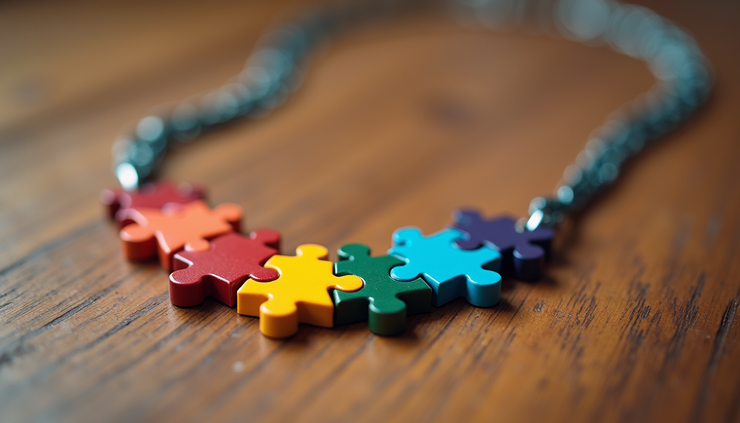
Glitterfied Spectrum was created to address these gaps in awareness and support. The mission is to educate the public, improve diagnostic criteria, and raise funds for female autism research. Part of the proceeds from jewelry sales goes directly to organizations working to improve understanding and care for autistic women.
The founder’s personal experience with herself and daughter Zoey highlights the urgent need for change. Zoey was misdiagnosed with bipolar disorder, which led to psychological harm and delayed proper support. This story is not unique—many girls worldwide face similar struggles due to outdated diagnostic practices.
What Can We Do to Help?
Supporting women on the autism spectrum requires action from individuals, communities, and professionals. Here are some practical steps:
Educate yourself and others about how autism presents differently in females.
Advocate for better diagnostic tools that recognize female-specific symptoms.
Listen to autistic women’s experiences without judgment or dismissal.
Support organizations like Glitterfied Spectrum that fund research and awareness.
Create inclusive environments at work, school, and social settings that respect diverse needs.
By understanding and valuing the unique experiences of autistic women, we can reduce suffering and build a more inclusive society.
Moving Forward with Awareness and Compassion
The journey toward better recognition and support for women on the autism spectrum is ongoing. It requires challenging old assumptions, updating medical practices, and listening to voices that have been ignored for too long. Every step forward helps prevent the needless pain caused by misdiagnosis and misunderstanding.
If you know someone who might be autistic or if you suspect you are, seeking a professional evaluation with a clinician experienced in female autism can be life-changing. Supporting initiatives that raise awareness and fund research also makes a difference.
Together, we can bring back the full spectrum of understanding and acceptance, honoring the diversity and strength of all autistic individuals. A portion of our sales will be dontated to girls on the spectrum, and autistic research.


Comments